Apply fa fa-search

Extended equal consideration deadline: 31 January

Find out more

Metfilm School

Metfilm School

MA Post Production

Start Date & Pricing
Read more
Start Date & Pricing
Duration
1 year
Course available in
London

Overview

Overview

MA Post Production is designed to enable you to develop the skills and understanding needed to work in post production in today’s screen industries. Through the programme, you will gain advanced insight into the work of the editor and post specialist – deep understanding of audio and visual storytelling, working across a variety of screen platforms and industry contexts, current and developing technology including editing softwares and equipment, the editor’s role as facilitator and collaborator, professional working practices, and employment strategies.

You will develop awareness of industry – traditional and changing screen forms and formats, platforms and audiences, recognising the importance of diversity and progressive working practices in your approaches to content and content making.


Course-Why-take-the-Course-MA-Post-Production-London-MetFilm-School

Why Take the Course?

Why Take the Course?

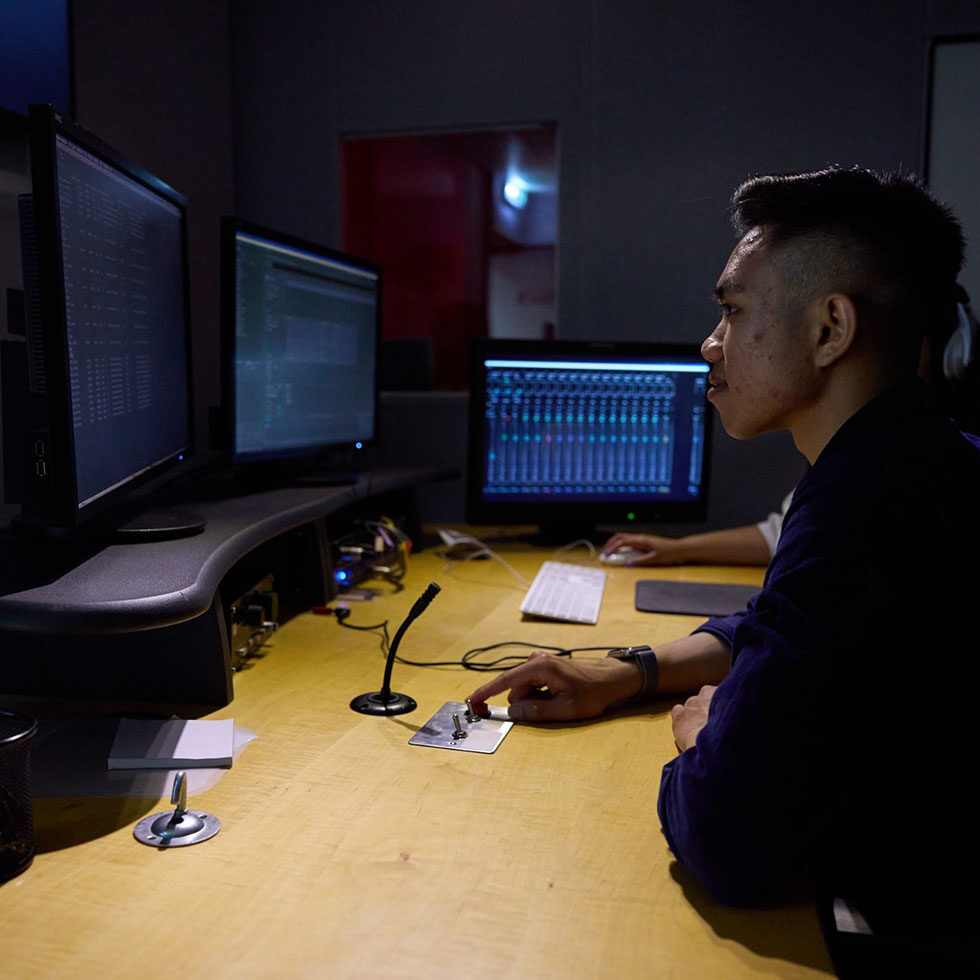
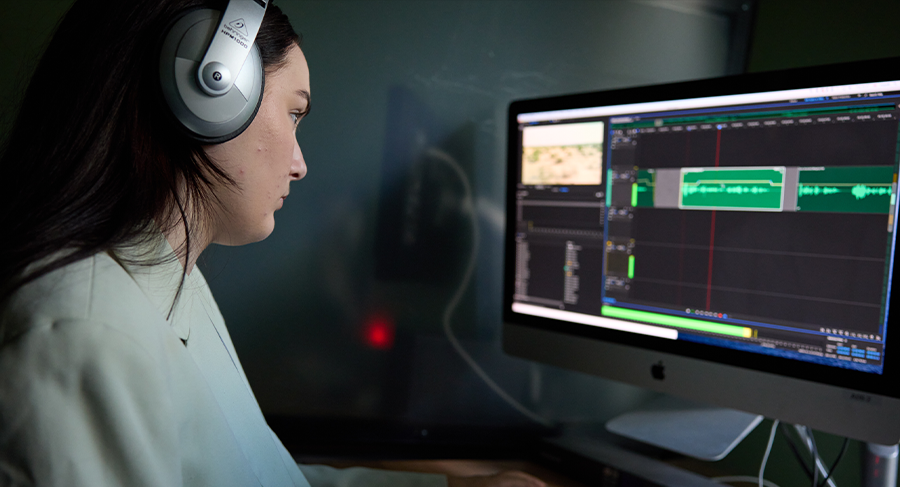
  • Practical: Master your craft through extensive engagement with industry-standard editing software.
  • Real-life Experience: Work with producing, directing, and cinematography students to edit and post produce a number of online videos for external ‘real world’ clients. Previous companies students have been able to add to their showreels include DHL, Nespresso, Time out, Jamie Oliver, Stonewall, HM Treasury, Mind, and Transport for London.
  • Portfolio: Graduate with a portfolio that includes a variety of project work and a career plan.
  • Professional tutors: Many of our teaching staff are currently working in the industry as freelance editors, colourists and sound designers*.

*For a selection of the tutors who teach across our campuses, please see Our People.

Awarding body: BIMM University

Our outstanding credentials are recognised by leading higher education bodies. This course is industry recognised by ScreenSkills, the industry-led skills body for the UK’s screen-based industries, and carries the ScreenSkills Select quality mark which indicates courses best suited to prepare students for a career in the screen industries.

Programme Aims

Deep understanding of the roles and responsibilities relating to working in post production for a range of screen platforms.
The ability to produce work of increasing ambition and quality.
The ability to develop and enable the realisation of creative projects suitable for industry and audiences.
A critical understanding of the role screen storytelling plays in an increasingly globalised and inclusive world.
High level insight into working professionally with producers, directors, and other creative personnel in the realisation of compelling and meaningful content.
A detailed, structured, and ethical approach to content post production.
Understanding of the role of research and intellectual enquiry as an integral part of academic development and professional practice.
The ability to actively engage with cultural and political perspectives including diversity, sustainability, and the inclusive workplace in your creative work and practice.
The knowledge, skills, and understanding to enter the screen industries as an enlightened and contemporary post production professional.

What You Will Study

What You Will Study

Over three trimesters you will gain advanced insight into post production craft as well as your vital role in the creation and delivery of screen content to a wide variety of audiences and contexts.

Trimester One focuses on the essence of screen storytelling and the role the editor plays in understanding the potential of filmed materials in the process of realising stories and ideas. Alongside this, you will explore your own qualities as you build a career profile that will develop as the course – and your understanding – increases.

In Trimester Two, you will enrich your understanding through client-facing editing assignments. You will also gain deep understanding and practical skills in post production workflow. In addition, you will develop the research and analytical skills expected in both your academic and your professional practice.

In Trimester Three, you will draw together your practical, theoretical, and industry understanding into the co-creation and delivery of a filmed artefact and complete your career plan as part of your progression into real world employment.

overview
Study_With_Us_Undergraduate_Courses_UK_Further_Requirements_MetFilm_School

Module Overview

Module Overview

The overview below is not a complete list of MA Post Production modules.

You will work with raw audio and video data, mastering professional management processes across the entire production pipeline. You will be introduced to a suite of industry-standard software for video and audio editing, effects, compression, and encoding, ensuring you have a versatile technical toolkit.

You will dive into the unique post-production approach required for documentary filmmaking, including mastering new Non-Linear Editing (NLE) modes. In the second half of the module, you will focus on the finishing processes, including picture cutting, effects integration, and professional audio mixing.

You will explore how film and television work by looking at the relationship between genre, audience, and the industry. By studying how audiences engage with screen content both globally and at home, you will learn how to apply these insights to your own creative projects and use genre to tell more impactful stories.

Working on branded-content projects for external clients, you will learn how to navigate the creative hierarchy and handle professional feedback. This module helps you develop a systematic approach to meeting deadlines and managing multiple projects while critically evaluating your final product.

You will manage complex post-production workflows, from camera acquisition through to final delivery. You will gain hands-on experience transcoding high-res media, working in offline editing to reach a “picture lock,” and creating sound designs that conform to the original media for various delivery platforms.

You will identify your place in the industry and build a professional portfolio of materials to use immediately upon graduation. By learning core entrepreneurial skills alongside specialist editing knowledge, you will develop the tools needed for a long-term career. You will also pitch your Final Major Project, showing how it aligns with your career goals.

You will focus on the preparation and planning of your Final Major Project, applying your specialist skills as an editor to bring the vision to life. This module is largely self-directed, allowing you to explore your creative identity and produce industry-standard prep work under the guidance of a project supervisor.

This is your opportunity to work independently and create a signature piece of work that showcases your development as an editor. You will deliver a distinctive, research-based, and industry-facing project that reflects an awareness of our diverse and inclusive world. You will also present your career plan and new skills to industry employers, ensuring you are ready for the professional market.

Course-Accordion-1-MA-Post-Film-Production--London-MetFilm-School

Entry Requirements

Entry Requirements

Standard Entry Requirements

  • Age: All applicants must be 18 years or older at the time the programme begins.
  • Education: A 2:2 honours degree from a UK university or overseas equivalent.

Applicants must also submit:

A personal statement of at least 500 words. The MetFilm School online application form details the information that your personal statement must include.

Students Not Meeting Academic Requirements

Students without a degree, but who can demonstrate relevant industry experience or a degree below a 2:2 equivalent are still able to apply. They will need to submit the following:

  • A professional industry reference.
  • A professional CV.
  • A 750 word statement of why you wish to enter the screen industries, indicating the ways in which you think they are changing.

If you meet certain criteria, you may be eligible for a contextual offer with reduced entry requirements.

Find out more about our contextual offers

Students receive the Office 365 and Adobe Creative Cloud License for the duration of their course. For more information, please check Equipment in the Study with Us section for your chosen course, and the Location sections for the range of equipment and learning resources available on each of our campuses.

For more information on MA Post Production entry requirements, language requirements, funding, and the application process please visit:

Explore

Contact-Us-Generic-block-980-by-980-1